Mediterranean Pattern: Timeless Design Inspiration
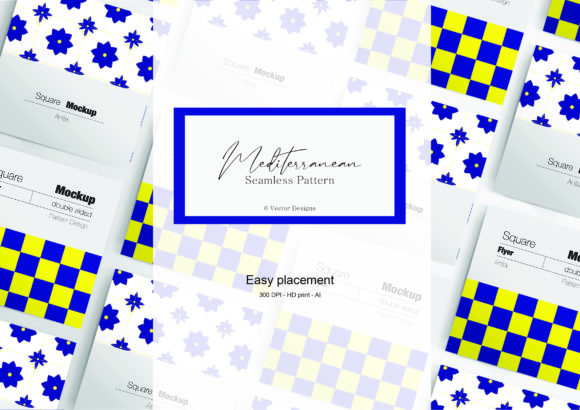
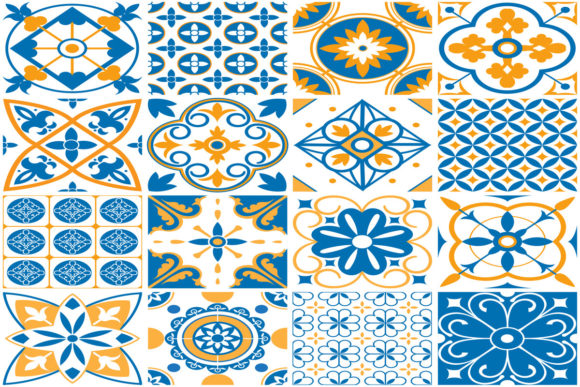
The Mediterranean Pattern is a rich visual language rooted in the cultures, art, and architecture of the Mediterranean region. It combines elements from Greek, Roman, Islamic, and Iberian traditions to create a style that is both timeless and versatile. This design approach features intricate geometric shapes, flowing lines, floral motifs, and vibrant color palettes that reflect the natural beauty and historical depth of the area.
What makes the Mediterranean Pattern particularly appealing is its ability to blend functionality with aesthetics. Whether used in interior design, graphic work, or product development, it offers a unique way to infuse spaces and projects with warmth, authenticity, and cultural richness. Its adaptability allows for endless creative possibilities across different mediums and applications.
Exploring Creative Possibilities
Designers and creators can draw inspiration from the Mediterranean Pattern in various ways. For instance, decorative Lisboa seamless patterns often incorporate arabesque designs, which are characterized by their flowing, interwoven lines and symmetrical repetition. These patterns can be used as background elements in digital or print media, adding a sense of elegance and sophistication without overwhelming the viewer.
Ornamental elements like azulejo, traditional Portuguese tiles, also play a significant role in Mediterranean design. Their intricate detailing and vibrant colors make them ideal for wall coverings, kitchen backsplashes, or decorative accents. By integrating these elements into modern designs, creators can bridge the gap between historical craftsmanship and contemporary aesthetics.
Similarly, Turkish mosaic tiles bring a textured, tactile quality to interior spaces. Their layered, colorful appearance can transform floors, walls, or countertops into striking focal points. When combined with Spanish kitchen backgrounds, they create a cohesive and visually engaging environment that reflects the region’s artistic heritage.
Applications and Interpretations
The Mediterranean Pattern is not limited to traditional settings. It can be reinterpreted in modern contexts such as branding, packaging, and digital interfaces. For example, a vector set featuring Mediterranean-inspired graphics can serve as a foundation for logos, icons, or illustrations that convey a sense of tradition and authenticity.
One practical application is the use of vector files, such as an EPS10 file, which allows for easy editing and scaling. This makes it ideal for designers who want to customize elements or integrate them into larger projects. A JPEG 72ppi preview provides a quick reference for visualizing how the pattern will look in different formats.
For those looking to separate or modify specific elements, using a vector editor like Adobe Illustrator enables precise adjustments. This flexibility ensures that the Mediterranean Pattern can be adapted to suit different needs, whether it's for a small home project or a large-scale commercial endeavor.
Adapting for Different Goals and Audiences
The versatility of the Mediterranean Pattern means it can be tailored to a wide range of audiences and purposes. For entrepreneurs, incorporating this style into product design can add value and appeal. For educators, it offers a way to teach students about cultural design influences and historical art movements.
Bloggers and content creators can use Mediterranean-inspired visuals to enhance their posts, making them more engaging and informative. Marketers might leverage these patterns in campaigns that emphasize authenticity, craftsmanship, or regional identity. Each application requires a thoughtful approach to ensure the design aligns with the intended message and audience expectations.
Practical Tips for Effective Use
To make the most of the Mediterranean Pattern, start by understanding its core elements and how they can be applied. Keep the design clear and organized by focusing on key motifs and avoiding excessive complexity. Consistency is important—especially when using patterns in multiple formats or platforms.
Originality can be achieved by combining traditional elements with modern techniques. For example, using vector tools to reinterpret classic patterns allows for fresh, innovative designs that still honor their roots. Audience-friendly approaches involve considering how the design will be perceived and used, ensuring it meets functional and aesthetic goals.
Conclusion: Embracing the Mediterranean Influence
The Mediterranean Pattern offers a wealth of creative potential for designers, artists, and professionals across industries. Its blend of history, culture, and artistry makes it a powerful tool for expressing identity, storytelling, and visual harmony. By exploring its variations and applications, users can unlock new ways to inspire and engage their audiences.
Whether working with decorative Lisboa patterns, azulejo elements, or Turkish mosaic textures, the key is to maintain clarity, purpose, and originality. With the right approach, the Mediterranean Pattern can become a valuable asset in any creative project, bringing warmth, character, and timeless appeal to every design.