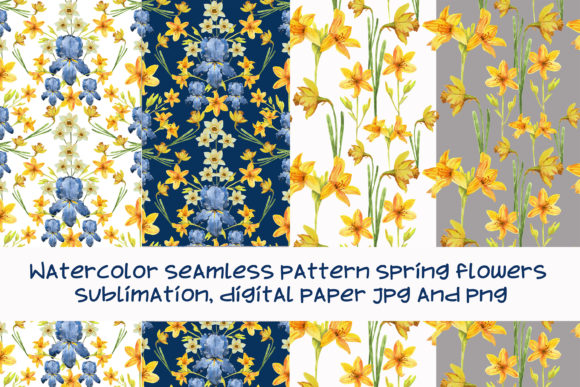
Watercolor Floral Handdrawn Pattern: A Unique Artistic Choice
Watercolor floral handdrawn patterns offer a distinctive blend of artistry and functionality, appealing to designers, artists, and crafters seeking natural, organic visuals. These patterns are created through meticulous hand-painting techniques, resulting in a soft, expressive aesthetic that stands apart from digital or machine-generated designs. Each element is carefully rendered, capturing the delicate textures and subtle variations that make watercolor art so visually engaging.
The appeal of these patterns lies in their ability to add a personal, handmade touch to projects ranging from fabric design to stationery and digital graphics. Unlike mass-produced alternatives, watercolor floral handdrawn patterns often carry a sense of authenticity and individuality, making them ideal for creative professionals who value unique, high-quality resources.
What Makes Watercolor Floral Handdrawn Patterns Distinct?
One of the defining characteristics of watercolor floral handdrawn patterns is the use of real paint on paper. This method allows for natural color blending, varying brushstrokes, and subtle imperfections that contribute to the overall charm. The result is a pattern that feels alive and dynamic, rather than static or artificial.
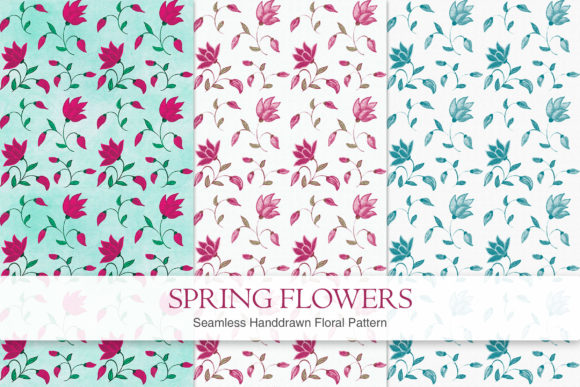
These patterns are typically designed to be seamless, meaning they can be repeated without visible seams or disruptions. This makes them highly versatile for applications such as textile printing, wallpaper, and digital backgrounds. However, the hand-drawn nature means that each pattern has its own unique character, which may not always align with the precision required for certain commercial uses.
Another key feature is the availability of multiple file formats. Many sets include both JPEG and transparent background PNG files, allowing users to choose the best option for their project. High-resolution 300 DPI files ensure clarity when printed, while the 720px size provides flexibility for digital use. This combination of formats caters to a wide range of needs, from print to web design.
Comparing Watercolor Floral Handdrawn Patterns with Alternatives
When considering watercolor floral handdrawn patterns, it's useful to compare them with other types of floral designs. Digital vector patterns, for example, offer sharp lines and scalability, making them suitable for logos, icons, and technical illustrations. However, they often lack the organic feel and warmth that hand-painted watercolor patterns provide.
Printed fabric samples or stock photography can also serve as alternatives, but they may not offer the same level of customization or reusability. Stock images are typically limited to specific compositions and may require licensing fees for commercial use. In contrast, watercolor floral handdrawn patterns are often sold with clear usage rights, allowing for greater flexibility in design projects.
For those working with digital tools, some software offers built-in watercolor effects or brushes. While these can mimic the look of hand-painted patterns, they may not capture the same depth and texture. The difference becomes more apparent when the design is scaled or used in different contexts, where the limitations of digital simulations may become noticeable.
Strengths and Tradeoffs of Watercolor Floral Handdrawn Patterns
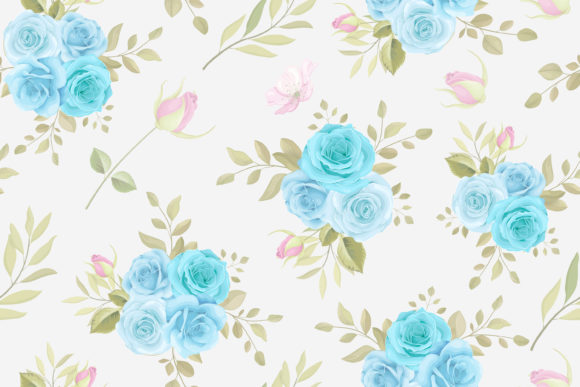
The strengths of watercolor floral handdrawn patterns include their visual appeal, versatility, and the ability to evoke a sense of craftsmanship. They are particularly well-suited for projects that benefit from a natural, artistic vibe, such as wedding invitations, home decor, and lifestyle branding. Their seamless design ensures they can be used across various surfaces without disrupting the flow of the artwork.
However, there are tradeoffs to consider. The hand-drawn nature means that each pattern may have slight variations, which could be a drawback for projects requiring strict consistency. Additionally, the quality of the final output depends heavily on the skill of the artist and the production process. Poorly executed patterns may appear amateurish or lack the refinement expected in professional settings.
Another consideration is the file format and resolution. While 300 DPI is standard for print, some users may need higher resolutions for large-scale applications. Similarly, the 720px size may not be sufficient for certain digital projects that require larger dimensions. It's important to assess the specific requirements of a project before selecting a pattern set.
Best Fit Situations for Watercolor Floral Handdrawn Patterns
Watercolor floral handdrawn patterns are ideal for creative professionals who prioritize aesthetics and originality. They work well for independent designers, small businesses, and artists looking to differentiate their work from generic templates. For example, a boutique clothing brand might use these patterns to create a line of fabric that feels exclusive and artisanal.
They are also beneficial for personal projects, such as scrapbooking, journaling, or custom gift-making. The soft, flowing style complements a variety of themes, from rustic to modern. In educational settings, these patterns can serve as inspiration for students learning about color theory, composition, and traditional art techniques.
For users who want to experiment with different styles, having access to multiple pattern sets can be advantageous. Each set may feature a distinct arrangement of flowers, leaves, and other elements, allowing for a broader range of creative possibilities. This variety can help users find the right fit for their specific vision or project goals.
When to Consider Other Options
While watercolor floral handdrawn patterns have many advantages, they may not always be the best choice. For instance, if a project requires precise geometric shapes or consistent repetition, a digital vector pattern might be more appropriate. Similarly, if the goal is to create a bold, modern design, a minimalist or abstract pattern could be a better fit.
Users working on tight deadlines may also prefer pre-made digital assets that can be quickly downloaded and applied. In such cases, the time and effort required to source or customize a hand-drawn pattern may not be justified. Additionally, those with limited design experience may find it challenging to integrate these patterns effectively without additional guidance or support.
It's also worth noting that the cost of watercolor floral handdrawn patterns can vary significantly depending on the artist, the complexity of the design, and the licensing terms. Some sets may come with restrictive usage rights, which could limit their applicability for commercial purposes. Before purchasing, it's essential to review the terms and conditions to ensure they align with the intended use.
Realistic Examples and Practical Comparisons
Consider a scenario where a designer is creating a line of greeting cards. A watercolor floral handdrawn pattern could add a personal, elegant touch that resonates with customers looking for unique, handmade items. In contrast, a digital floral pattern might feel more generic and less emotionally engaging.
On the other hand, a graphic designer working on a corporate website may find that a clean, minimalist pattern is more effective in conveying professionalism. Here, the hand-drawn aesthetic of a watercolor pattern might not align with the brand's visual identity. The decision would depend on the overall tone and message the designer wants to communicate.
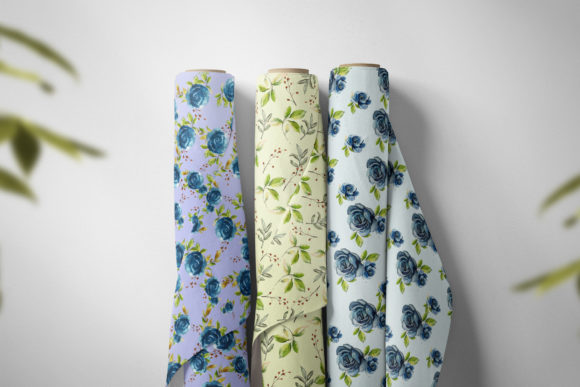
For a home decorator planning to update a living room, a watercolor floral wallpaper could bring warmth and character to the space. However, if the existing decor is modern and sleek, a more contemporary pattern might be a better match. The key is to evaluate how the pattern will interact with the surrounding elements and whether it enhances or detracts from the desired atmosphere.